ICJ finds Myanmar committed genocide against Rohingya
The International Court of Justice ruled Thursday that Myanmar committed genocide against the Rohingya, a landmark judgment that marks the first time the UN’s top court has found a state responsible for genocide. The 15-judge panel decided the case 9-6 and ordered Myanmar to prevent any repeat of the crimes, reform its laws to protect the Rohingya and pay reparations to victims.
The case was brought by The Gambia seven years ago, accusing Buddhist-majority Myanmar of waging a deliberate campaign of arson, rape and murder against the predominantly Muslim Rohingya in 2016 and 2017. It is the first ruling in any of the proceedings filed against Myanmar or its leaders in courts around the world.
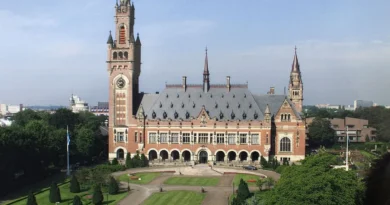
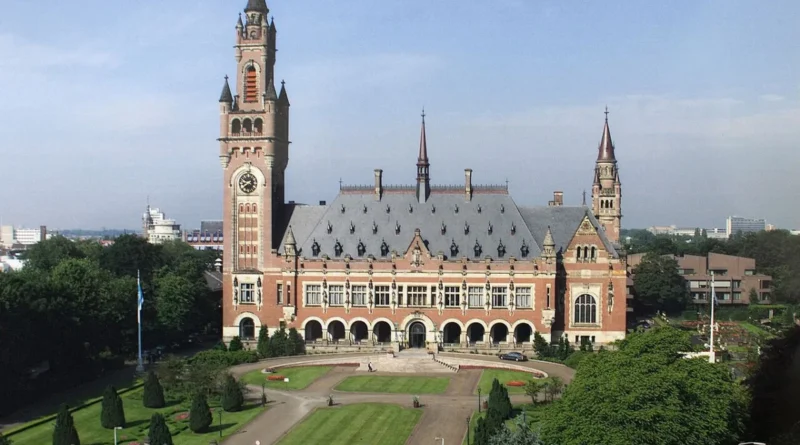
Reading the judgment in The Hague, ICJ President Yuji Iwasawa said the court found “casualties and damage far in excess of what was justified by military necessity.” He cited the execution of Rohingya men and boys, widespread sexual violence, the targeting of children and babies, and the methodical burning of villages, saying these were inconsistent with an intent to conduct counterinsurgency operations.
Myanmar had argued throughout the trial that its actions in Rakhine State were legitimate operations against the Arakan Rohingya Salvation Army, an armed group that had attacked police and military posts. A UN-backed fact-finding mission concluded that about 10,000 people likely died in the violence, by some estimates about one in five of them children.
Relief in The Hague
Rohingya activists who survived the 2017 crackdown welcomed the ruling. Lucky Karim, who was 14 when she fled her village in Rakhine State with her mother and brothers and later became an activist, heard the judgment in person. She said it had taken nearly a decade for the world to hear the Rohingya’s voice.
Wai Wai Nu, a Rohingya activist and former political prisoner, said the community’s decades of persecution had been validated and “the truth has come out.” Tun Khin, a plaintiff in a separate universal jurisdiction case in Argentina, called the ruling “a historic moment” and “a big day for the Rohingya.”
Myanmar’s government did not respond to requests for comment, and the state-run New Light of Myanmar newspaper made no mention of the ruling online.
Enforcement hurdles
Attention quickly turned to whether the court’s orders can be carried out. Michael Becker, an associate professor of international human rights law at Trinity College Dublin, called the ruling “monumental” and said it showed that establishing genocidal intent is not impossible. But he said conditions in Myanmar are “not amenable to realizing the relief ordered by the ICJ anytime soon.”
Former military chief Min Aung Hlaing, now president, has remained in power since the military ousted Myanmar’s elected government in 2021. Much of the country, including Rakhine State, is engulfed in civil war, and the Arakan Army, which controls most of Rakhine, is widely accused of persecuting the Rohingya as well.
Enforcement ultimately falls to the UN Security Council, where China and Russia, both backers and arms suppliers of the Myanmar military, would “almost certainly” veto any punitive resolution, according to Richard Horsey, senior Asia adviser at the International Crisis Group. He said pressure would instead come from individual governments and the General Assembly.
The UK said it was expelling Myanmar’s defense attache in London and would seek a Security Council session on the decision. Western governments have imposed successive rounds of sanctions on Myanmar over the past decade with little apparent effect, and Min Aung Hlaing has been hosted by eight Asian and Eastern European countries since becoming president this year. Horsey said the judgment would slow, but not reverse, Myanmar’s efforts to restore normal relations.
What happens next
The court gave Myanmar two years to report back on compensation for stolen property it cannot return or replace, and it ordered the government to allow the “safe, voluntary and dignified” return of those who fled and to prosecute those responsible. Arsalan Suleman, The Gambia’s lead counsel, said the ruling could support accountability efforts in other courts, including the International Criminal Court, which is weighing an arrest warrant request for Min Aung Hlaing over alleged crimes against humanity against the Rohingya.
Wai Wai Nu said a judgment alone would not stop the bombs or the atrocities in Rakhine State and urged the international community to enforce it. Tun Khin said most Rohingya simply want to return to their homes and villages with full citizenship and legal protection. “It will take time,” he said. “This is just the beginning.”