Haiti forces launch offensive to retake gang-held Martissant corridor
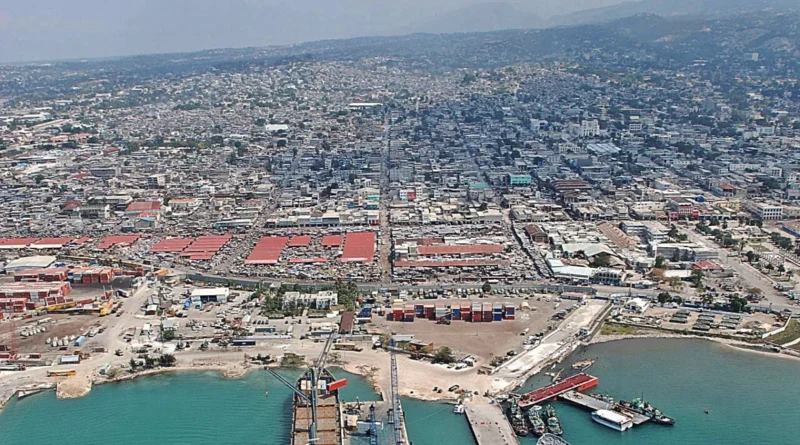
Haitian security forces launched a major operation Thursday to retake Martissant, a strategic corridor linking Port-au-Prince to the country’s western and southern regions that gangs have controlled for five years, according to police and France 24.
Haiti’s National Police said in a video posted on X that at least 34 suspected gang members were killed in Martissant during clashes with officers working alongside a task force made up of members of Vectus Global, a private security firm founded by former U.S. Navy SEAL and Blackwater founder Erik Prince. Al Jazeera also reported the death toll, citing police.
Local media reported heavy gunfire and the use of explosive drones in the area, and police posted footage of armored vehicles moving through the community. It was the first significant operation in the five years since gangs seized Martissant, at the western tip of the capital.
Why Martissant matters
Martissant sits along Route 2, the main road leading out of Port-au-Prince toward major western and southern cities. Before gangs took over more than five years ago, thousands of people passed through the area daily. The takeover disrupted the economy by blocking goods from entering or leaving the capital, and gangs have since charged tolls or opened fire on vehicles crossing the corridor. Aid workers and civilians have been forced onto alternative routes or rural back roads.
The battle for Martissant began in June 2021, when gangs from Grand-Ravine and Village-de-Dieu attacked the Ti-Bois gang, burning homes, killing families, destroying businesses and seizing the local police station. A July 2022 United Nations report said the clashes displaced at least 19,000 people and affected some 800,000 overall. A 2023 U.N. report said gangs operating between Tabarre and Carrefour had demanded about $380 from those transiting the area.
Haiti’s Center for Analysis and Research in Human Rights said that since Martissant fell, hundreds of public and private institutions have relocated and more than one million people have been forced from their homes.
Wider anti-gang push
A U.N.-backed gang suppression force said it has also made recent gains, describing its operations as entering a new phase of “increasing pressure on gang networks, dismantling more strongholds, and extending control over strategic areas.” The force said it is operating in Tabarre and the central Artibonite region, has come under fire while advancing along Route 5, and has cleared a church and school north of Gros-Morne that gangs had controlled.
“It is about restoring freedom of movement, reopening access to public institutions, and re-establishing State presence for communities that have endured years of gang control,” the force wrote Sunday on X.
About 2,500 Salvadoran troops deployed last month after four of their compatriots went missing following an October 18 attack in the capital. On the orders of President Nayib Bukele, the troops this month attacked the main residences of two powerful gang leaders, Jeff and Lanmò San Jou; neither was killed. A small separate group of Salvadorans works with the gang suppression force, and El Salvador’s legislature in late September authorized that deployment for another 12 months, until October 2027.
Thousands of Haitians rallied in Port-au-Prince and elsewhere this week in support of Bukele, though experts have criticized the unilateral nature of the Salvadoran operations and noted that explosive drones have killed a growing number of civilians.
What happens next
The fighting comes as Haiti prepares for its first elections in more than a decade. The country has had no president since Jovenel Moïse was assassinated in July 2021.