China threatens ‘necessary measures’ over Trump’s proposed tariffs on 14 partners
China said it reserves the right to take “necessary measures” after the Trump administration proposed new tariffs on goods from 14 major trading partners, a move that drew objections from governments across several regions.
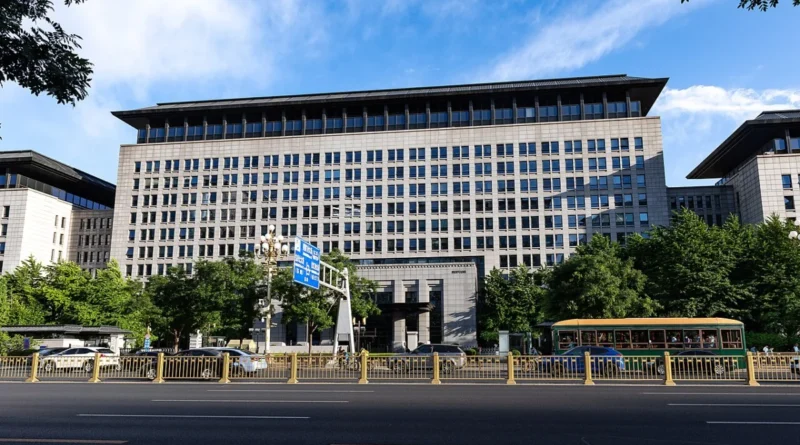
The Chinese commerce ministry spokesman, He Yadong, told a regular briefing that Beijing urges Washington to correct what he called erroneous practices and to return to resolving issues through dialogue and consultation. He said China would closely monitor developments and defend its legitimate rights and interests.
Under the proposals announced Wednesday, China faces one of the heaviest potential burdens, with a capped rate of 20% that in some cases would be added to existing import taxes for a combined rate of 45%.
Brazil and EU push back
Brazil, whose trade talks with Washington have stalled, said it would not yield to this type of threat and described the unilateral decision as unacceptable while negotiations continue. Brasília objected in particular to proposed higher duties on raw and refined sugar and a new 10% tariff on aircraft, which would affect Embraer, the country’s largest planemaker. Brazil said it would keep negotiating without ruling out retaliatory measures.
The European Commission said it rejected the premise of the new tariffs and expected the US to honor a deal reached last year. A commission spokesman, Olof Gill, said Brussels and Washington share a concern about global overcapacity, much of it state-driven and concentrated in third countries, and regretted the absence of joint action.
Japan’s top government spokesman, Minoru Kihara, called it regrettable that a proposed measure targeting Japan had been announced. Singapore said it was very disappointed and denied protecting its domestic market or subsidizing manufacturing.
How the tariffs would work
The administration said the new rates would be consistent with trade deals reached last year with dozens of countries and would be capped at the lower levels agreed in deals already concluded or still under negotiation. They are being proposed under a law allowing the president to target countries found to engage in unreasonable or discriminatory trade practices.
The US trade representative, Jamieson Greer, told CNBC that many partners had adopted market-distorting practices that tilt the trade balance in their favor while eroding America’s manufacturing base. He said the administration was proposing a broad exemption for $30 billion worth of Chinese goods in line with the existing deal.
Other economies affected include Bangladesh, Cambodia, Indonesia, South Korea, Malaysia, Switzerland and Thailand. Vietnam’s trade ministry said it was working with Washington to complete its trade deal as soon as possible. India denied having structural excess capacity in any sector and said it remained committed to concluding a deal; Greer has said the tariff on Indian imports would be capped at 17% if an agreement is struck. Taiwan said it was confident of keeping its existing 15% rate.
Some US analysts criticized the duties as too weak. Derek Scissors of the American Enterprise Institute said the proposal barely raises existing tariffs on China and will make no difference to its trade behavior.
What happens next
The administration will seek feedback from affected industries and hold a hearing on January 25, suggesting final duties would not take effect until February or March. Trump met his Chinese counterpart, Xi Jinping, in Shenzhen last week, and the two are expected to meet again in Miami on the sidelines of the G20 in December. A US-China trade truce is set to expire on January 10, 2027.
Dan Wang of Eurasia Group told AFP that the escalation would not surprise Beijing and that she did not expect it to derail relations, noting that Xi has a strong incentive to keep ties stable ahead of the Communist Party congress in October 2027.